
WILL DRIED CASSAVA/CASSAVA CHIPS BECOME CHEAPER OR MORE EXPENSIVE DURING THE DRY SEASON?
The cost and availability of fresh cassava tubers do have a much greater influence on the final market price.
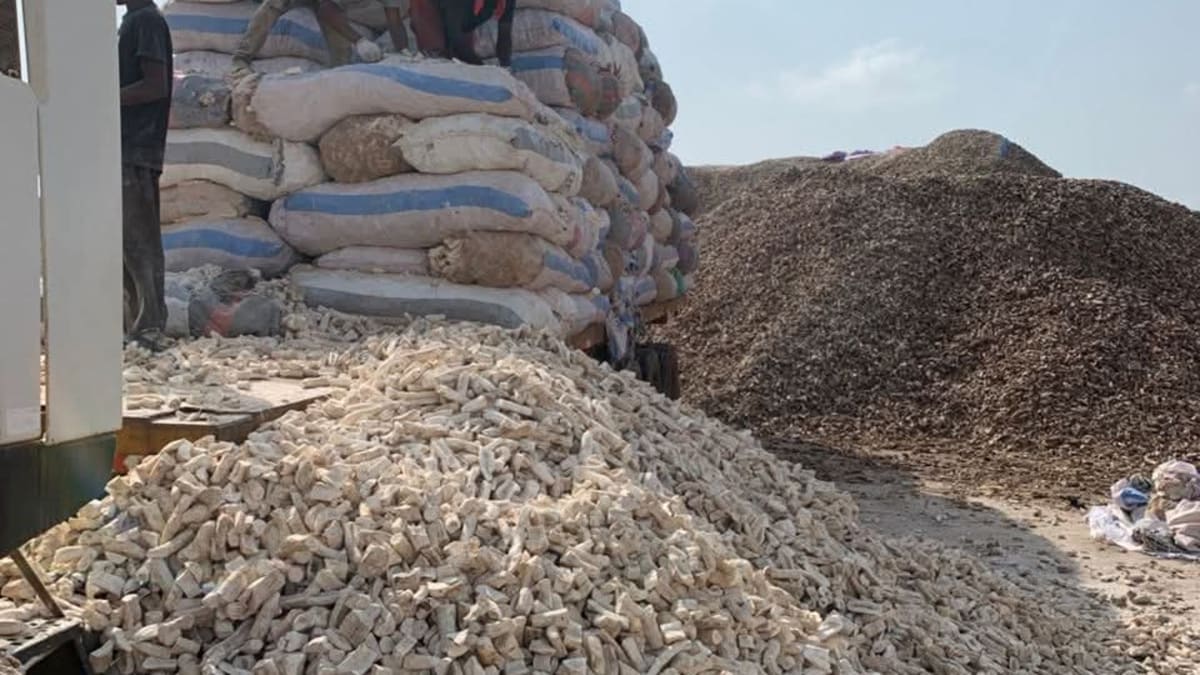
The intense sunlight during the dry season will certainly make sun-drying faster and more efficient. This means processors can produce and accumulate larger volumes of dried cassava chips within a shorter period compared with the challenges experienced during the intense rainy season.
However, there is another side to this equation. By the time we enter the dry season, harvesting of cassava tubers would have considerably slowed down, leading to reduced availability of fresh cassava and potentially higher farmgate prices.
Although the cost of drying may be relatively lower during the dry season, the price of fresh cassava tubers remains a major determinant of the final cost of production. Any significant increase in the cost of raw materials can easily outweigh the savings from faster drying.
Therefore, while the dry season may bring improved production efficiency and higher volumes of dried cassava chips to the market, it does not necessarily mean lower prices. In fact, the market price of dried cassava chips would rise as the cost of fresh cassava tubers increases.
The further we advance into the dry season, the more closely we need to watch the availability and prices of fresh cassava tubers. These factors, alongside the demand, will determine how the prices of dried cassava chips move.
The bottom line is that better drying conditions do not automatically translate into cheaper cassava chips. The cost and availability of fresh cassava tubers do have a much greater influence on the final market price.
More from the blog
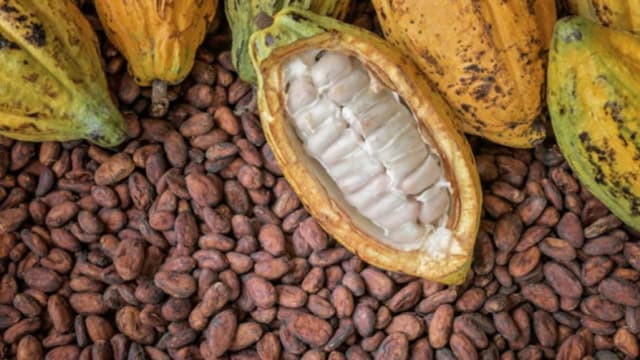
US Demand Drives 554% Surge In Nigerian Cocoa Exports To $142m
According to data from the National Bureau of Statistics, Nigeria exported agricultural products worth N1.17 trillion in the first quarter of 2026, with cocoa beans accounting for N596.90 billion.
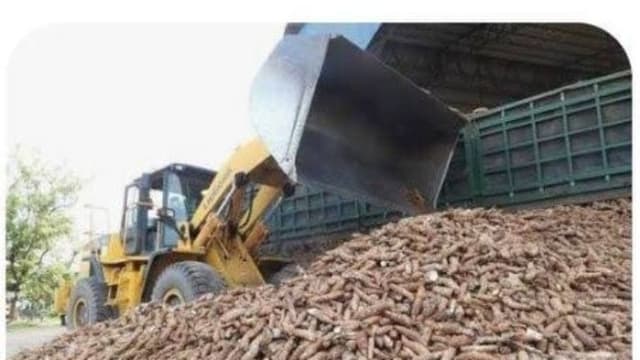
SHOULD CASSAVA BE DEPLOYED MORE FOR FOOD PRODUCTION AND LESS FOR INDUSTRIAL UTILIZATIONS?
Yes, cassava can remain a pillar of Nigeria's food security, but its industrial potential should not be sacrificed to tradition.

Premium Nigerian Processed Cashews: World-Class Taste, Pure Quality, Explosive Potential!
Nigeria isn't just growing cashews—we are delivering top-tier, naturally delicious processed kernels to the world.